
Deudhunga
Dolakha · Bagmati Province
Video Tour — Coming Soon
Immersive short films from Yatribhet's field team. Drone footage, ground level walkthroughs, and real traveler stories will appear here.
Deudhunga
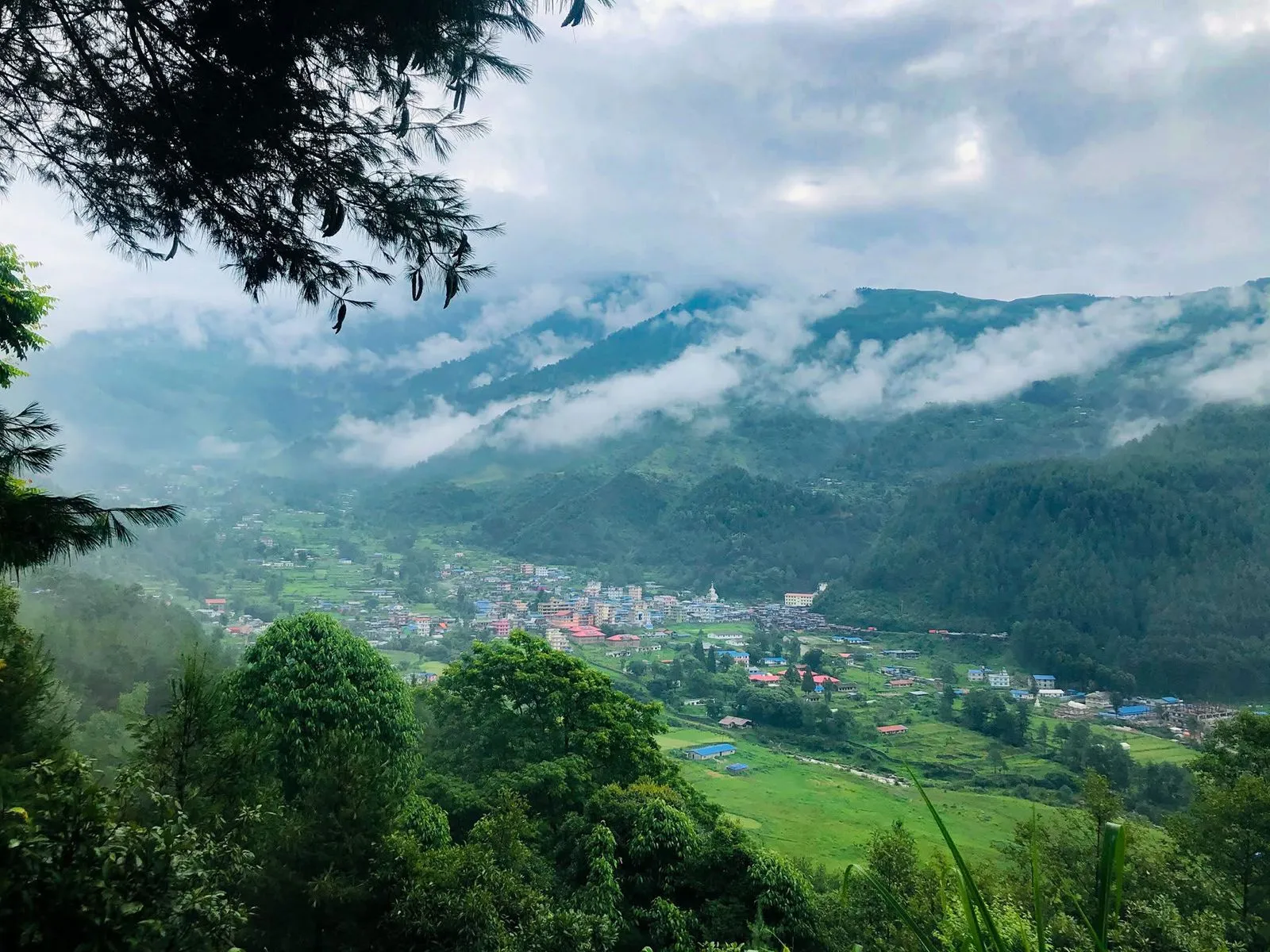
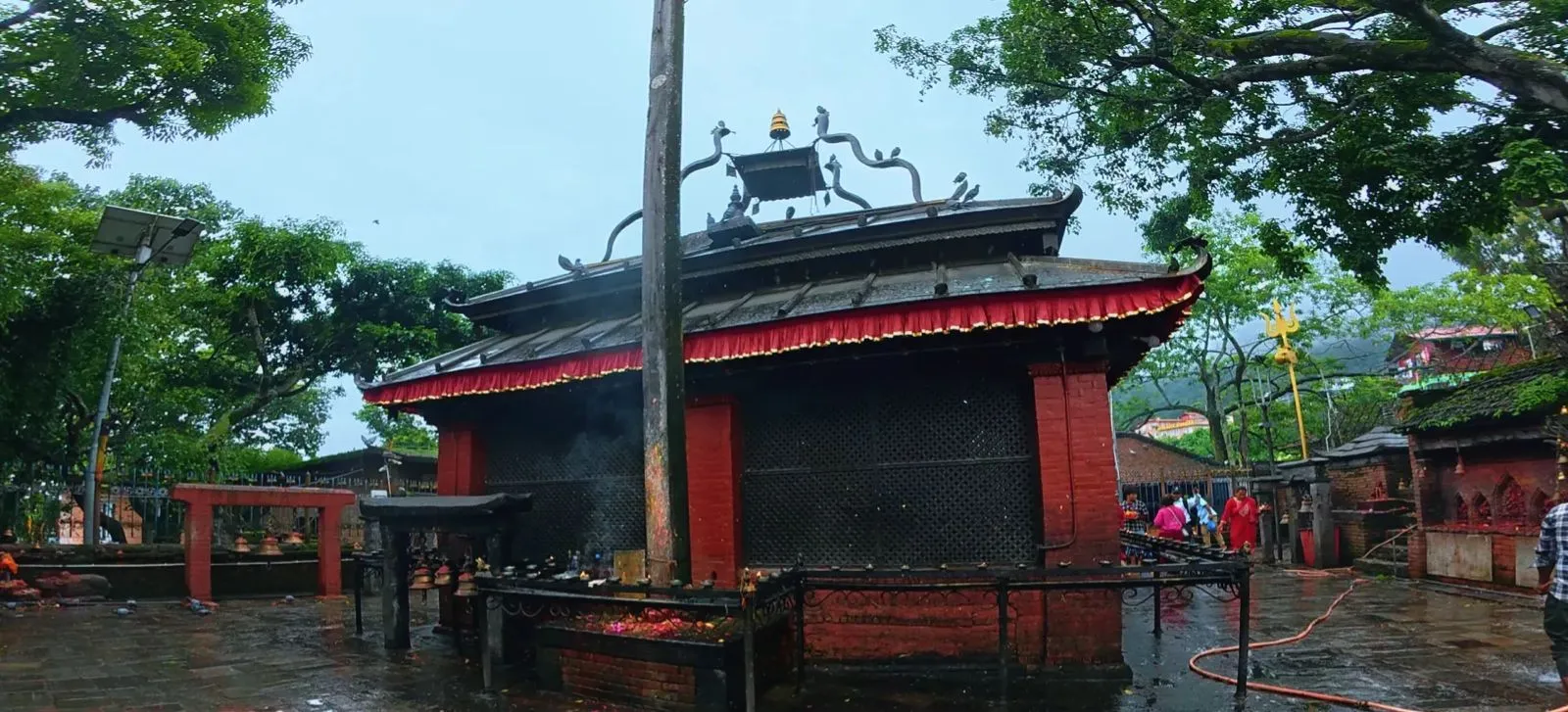
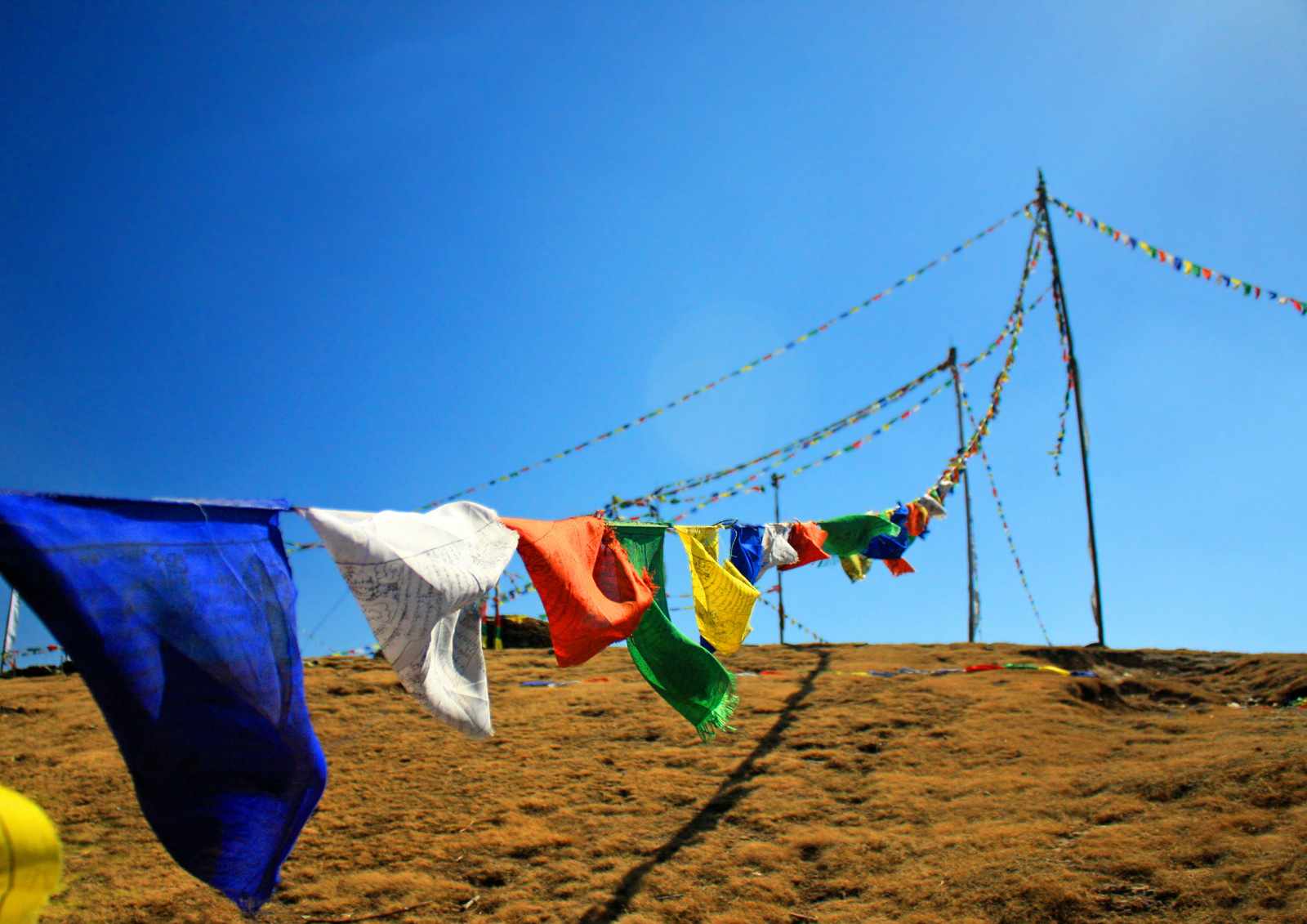
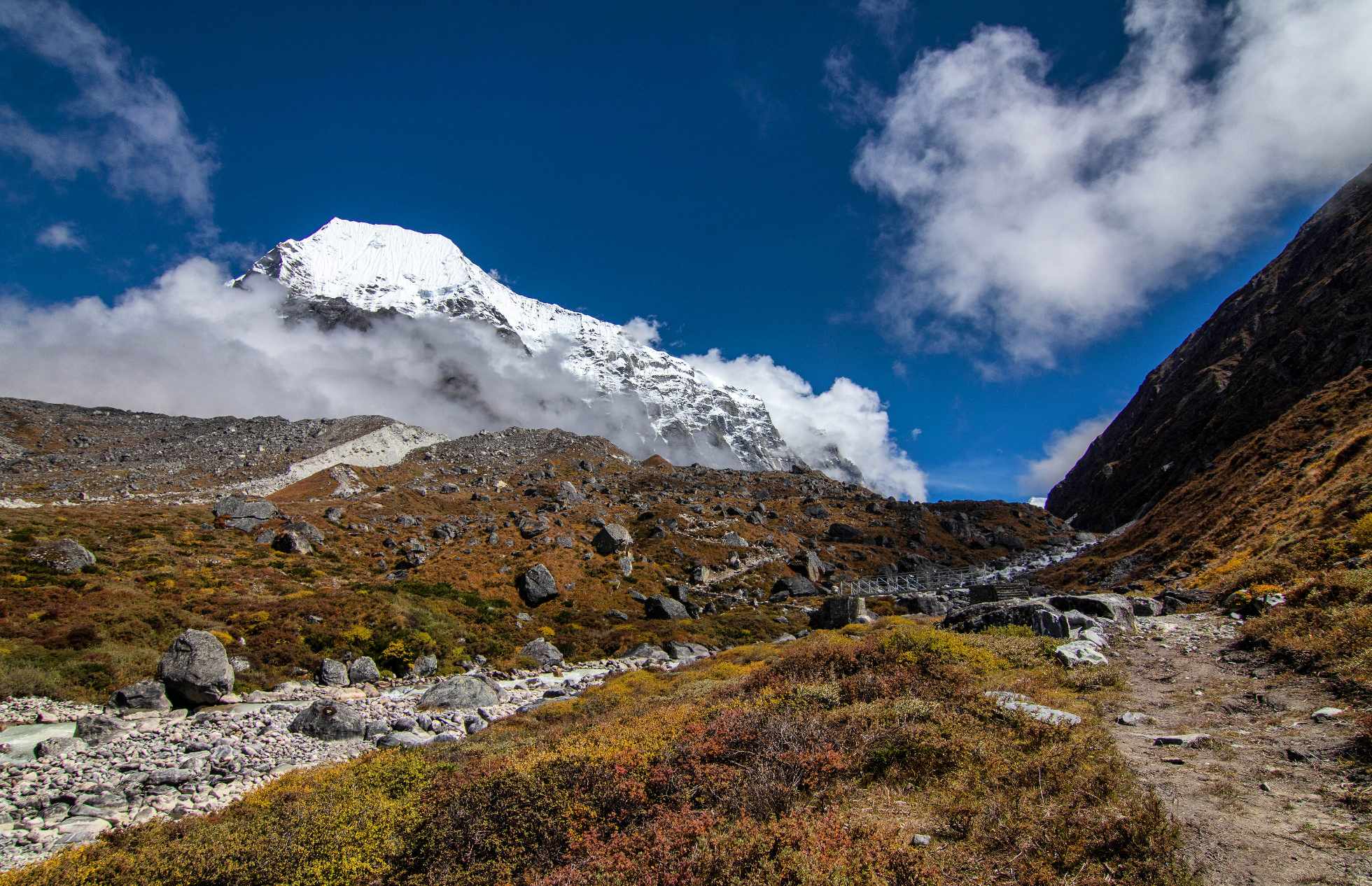
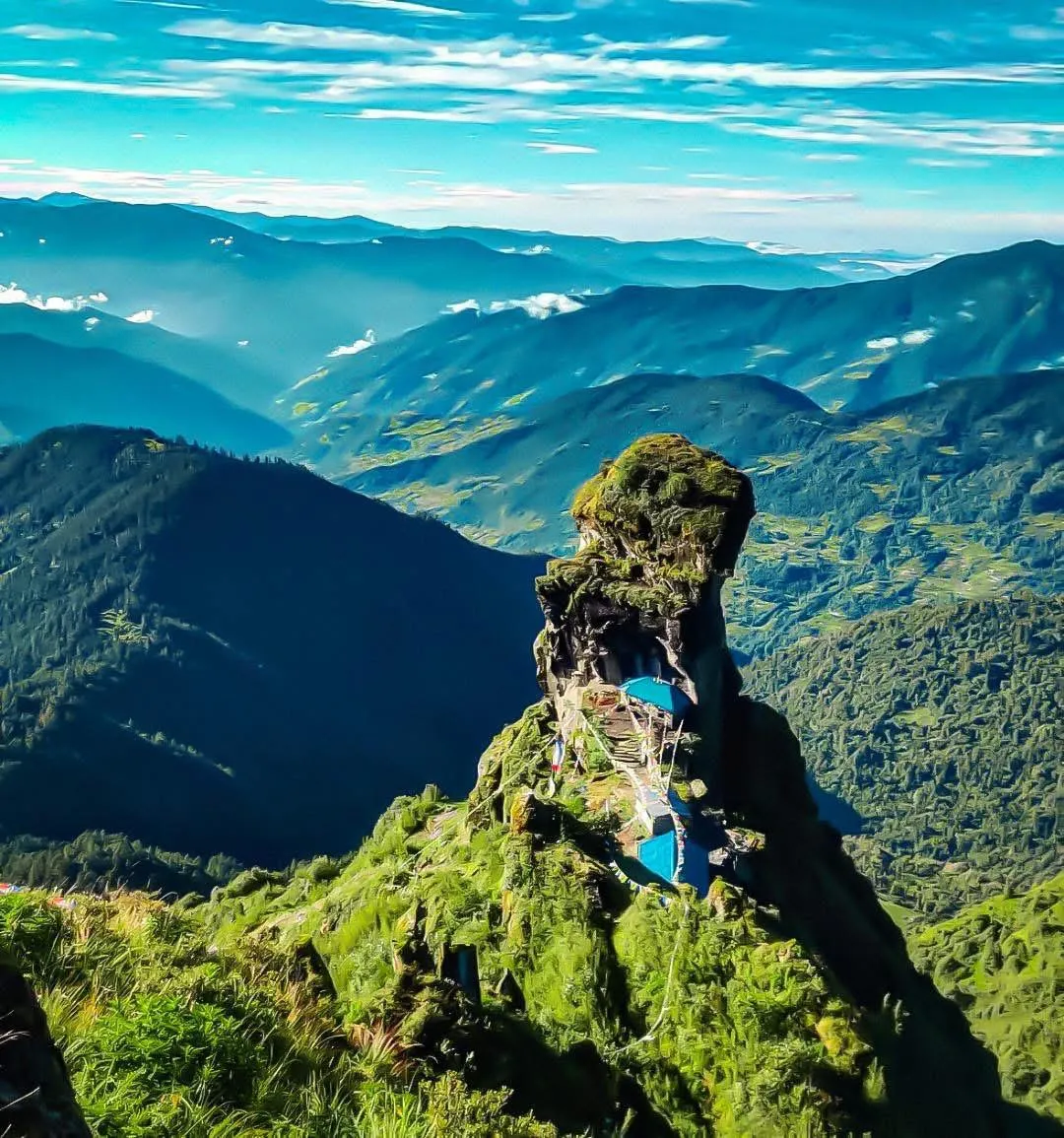
Deudhunga is a sacred site located at about 3750 meters on the border of Sindhupalchok District and Dolakha District, also known as Aabachykulung in the Sherpa language. The meaning of “Aaba” is "father," and “Chykulung” means "creator." It holds deep religious importance for Hindus, Buddhists, and Kirat religions. Local people worship Seti Devi, believing that their wishes come true, including helping childless couples have children; many pilgrims visit, especially during Janai Purnima and Krishna Janmashtami. Visitors can enjoy breathtaking views of Gaurishankar Mountain and Jugal Mountain along with beautiful sunrises and sunsets. Nearby villages are home to Sherpa, Thami, and Magar communities, with places like Bigu Gumba also worth visiting for trekkers. History of Deudhunga according to locals: Gaurishankar Mountain and Deudhunga were a wife and husband, respectively. In the Sherpa language, Gaurishankar Himal is called "Amafamare," and Deudhunga is called "Aabachykulung." According to the legend, one day they had a big fight, and after the serious argument, the husband (Aabachykulug) cursed his wife, saying that no humans and birds should live where she stays. Then he said that he would go to a place where humans would worship him. He arrived at the present location of Deudhunga in the morning when the cock crowed, and he transformed into a sacred stone so that people could easily come and worship him. And the place is named Deudhunga. Another belief says that the stone once had an open space inside where people could stay and eat, but one day a traveler ate Sisno and Dhido there and left the place impure, and then the entrance closed permanently. Locals also say that during the months of February, March, and April, a loud mysterious sound can be heard for about a minute, which is believed to be from Himalayan beings (Him Manab). Then Medang Seng incense is burned, the sound stops for a few days, and then resumes. However, no one has directly seen these beings. Best time to visit Deudhnunga: Spring (March to May) Autumn (September to November) Avoid: The monsoon season and deep winter, as the trails become difficult.
Details & Guides
Route Itinerary
1 routeReviews
Available Amenities
No amenities information available for this place yet.
Places Nearby
More to explore in Dolakha